
@Brushless_com
Family members
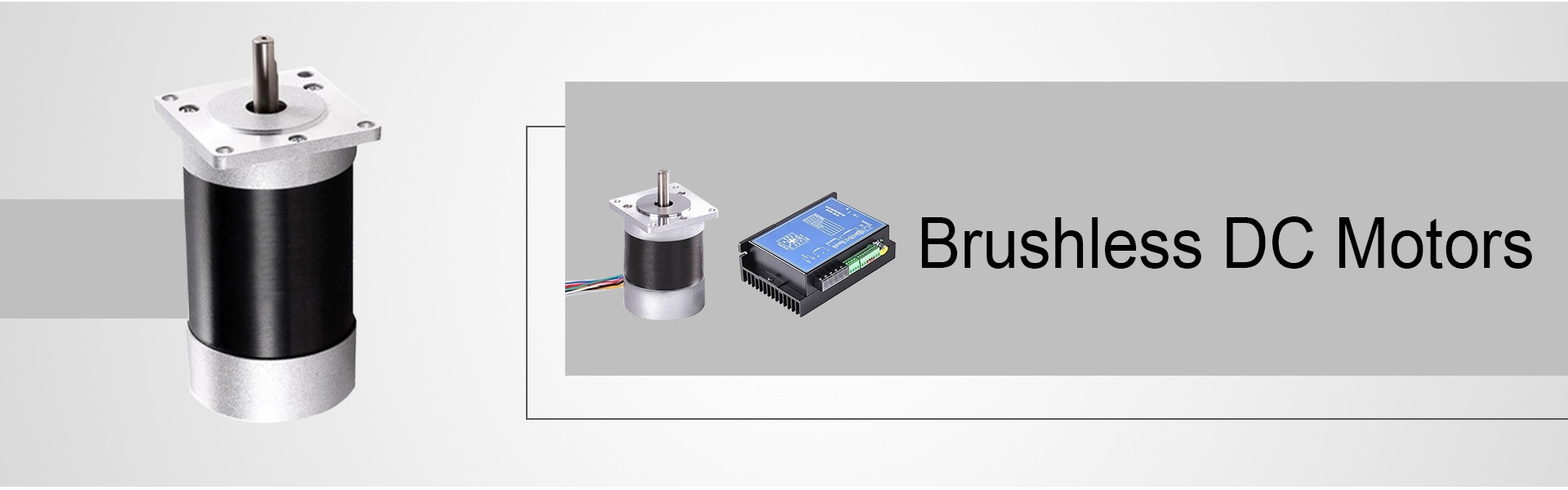
The control system is an essential part of any brushless DC motor because electronic commutation determines how power is delivered to the motor windings. Unlike a brushed motor, where mechanical brushes perform the switching function, a BLDC motor depends on an electronic controller to determine the appropriate sequence of energizing the windings. This arrangement allows the motor to be controlled electronically and can provide accurate adjustment of speed and torque.
Sensored and sensorless BLDC motors use different approaches to determine rotor position. A sensored motor can use Hall sensors to provide direct position information, which can be helpful during startup and low-speed operation. Sensorless control instead estimates rotor position from electrical characteristics such as back electromotive force. The appropriate approach depends on the operating speed, starting requirements, control strategy, and overall system design.
The controller must also be matched to the motor's electrical characteristics. Voltage and current ratings should correspond to the motor and power source, while the controller should be capable of handling the expected continuous and peak load. A motor that is mechanically capable of producing a certain level of torque may still perform poorly if the controller cannot provide sufficient current or cannot correctly manage the motor's feedback and commutation requirements.
Speed control can be especially important in applications where the load changes during operation. The controller may need to adjust motor output as the mechanical demand increases or decreases, while maintaining stable operation across the required speed range. Proper coordination between the brushless motor and controller can therefore affect efficiency, response, starting behavior, and overall reliability.
For a complete BLDC drive system, the motor and controller should be considered together from the beginning of the design process. Voltage, current, torque, speed, feedback, acceleration, and duty cycle all influence the appropriate combination. A compatible brushless motor and control system can provide much more predictable performance than selecting each component independently.
.png "Đăng ký tên miền")

Crop your avatar